
Auctions · 7 Sep 2026
What "Unsold" Really Means at a Japanese Car Auction
By Auction Man Japan
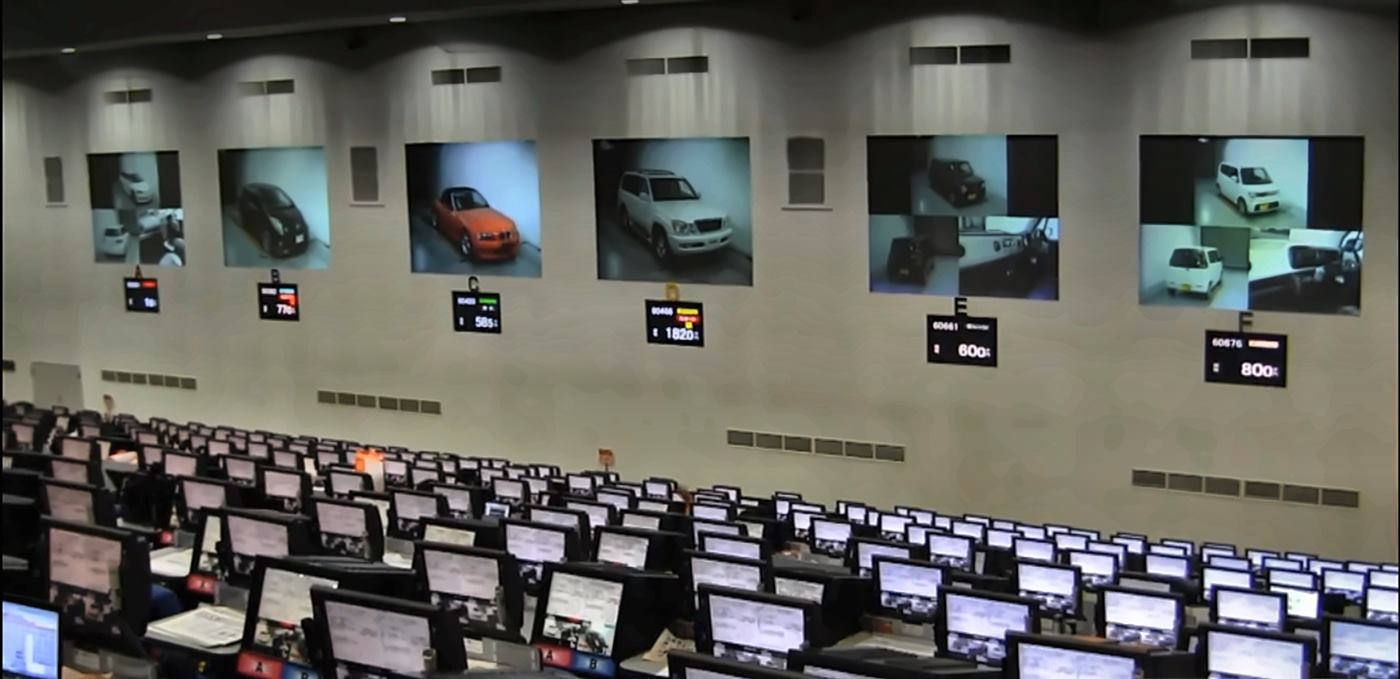
Look at any day's auction results and you will see many cars marked as unsold. Many people read this as "nobody wanted the car" or "the price stopped at that number". Both ideas are wrong. An unsold result is the start of a second process, not the end. And the number next to it means much less than most people think.
Why a Car Goes Unsold, and Why the Number Is Not the Reserve
Every seller sets a reserve. This is the lowest price they will accept. Nobody else knows it.
Until the reserve is reached, it is not really an auction. It is a group of buyers making offers. The seller has not agreed to sell, so there is no car to win yet. Buyers know this, so most of them keep their real maximum to themselves. Showing it would only tell the seller what the market price is.
The real auction starts only when the reserve is reached. From that moment, the car will definitely sell, and buyers are competing with each other. That is when the real money appears.
So if a car finishes unsold, there was never an auction. There was only a set of offers, and the last one was below a number that nobody in the room knew. The "unsold at ¥X" figure shows where the offers stopped. It does not show what any buyer would really have paid, and it is not the seller's reserve.
It is not a reliable guide to the reserve either. It can influence the reserve, because it shows the seller how much interest there is, and a seller may move their price after seeing it. But that is different from telling you what the reserve is.
One small note. At some auction houses, the highest offer gets the first right to negotiate if the car goes unsold. That can push a buyer to offer a little more. But it is a right to talk, not a car, so it does not change the picture much.
Use sold results to understand the market. Use unsold results as a sign that a car is available and that a conversation with the seller is possible.
How Sellers Work
Every seller must set a start price and a reserve. At most auction houses there are two main ways to sell, and they are worth understanding, because they explain why unsold results look the way they do.
Selling live. The seller, or someone working for them, sits in the auction hall and watches the offers. The system keeps pushing the price up, far above the highest offer. If the seller is happy with what they saw, they press a button or make a call to accept the last highest offer. The price comes back down to that offer, the car is announced as "on the market", and only now does the real auction begin. If the seller does this, the car will sell. It becomes a sold result, not an unsold one.
Selling on paper. The seller is not watching. They gave their start price and reserve in advance and let the system run. Because nobody is there to accept an offer, the price never comes back down. A paper seller usually follows one of two strategies:
- Set a high reserve. The seller has no plan to sell live. They let the car go unsold, look at the highest offer to see what the market thinks the car is worth, and then put a Buy Now price on it.
- Set a very low reserve. The seller lets the buyers fight it out in a real auction and accepts the result. There is one safety net: if the final price is really too low, the seller can cancel the sale within a very short time after the auction. This costs the seller a penalty of at least 100,000 yen, so it is not done lightly.
This is why an unsold result can be misleading. An unsold car from a paper seller with a high reserve was probably never meant to sell live. The unsold number tells you what buyers offered, not what the seller would accept.
What Happens Next: Negotiation
This is the most common result, and it is the one buyers can use. When the car does not sell, the auction house usually opens it for negotiation with the seller.
- There is a starting price, and it is NOT the reserve. Your offer must be equal to or higher than the "start price for negotiation". Many people believe this number is the seller's reserve. It is not. It is only the lowest offer the auction house will let you make. The seller's reserve is still secret, and it is usually higher. If you offer the start price and think you are meeting the reserve, you will be surprised when the seller says no.
- Be fast. At most auction houses, the first buyer to make an offer gets the first chance to negotiate. Some houses give the chance to the highest offer instead. In both cases, if you wait, you will probably miss the car.
- The seller has three choices. They can accept your offer, tell you their final price, or tell you the price they hope for and wait for your answer.
- There is a time limit. Negotiation usually lasts about one hour. Sometimes it lasts until the auction house closes for the day.
- It costs a little more. If the negotiation succeeds, the auction house fee is higher, and there is an extra charge of 10,000 yen.
- It is private. At USS and most other auction houses, the negotiated price is only known to the buyer and the seller. It does not appear in the public results.
The one exception: when the start price changes. Sometimes the first negotiation fails. For example, the start price is 900,000 yen. The first buyer says their maximum is 900,000 yen. The seller answers that their final price is 1,000,000 yen. Nobody agrees, so the negotiation ends. Now the system shows a new negotiation start price: 1,000,000 yen, the seller's final price.
A second start price is the seller's own number, and it may be their reserve, or close to it. It is the only moment in the whole process when you get a real clue about the reserve.
But there is a problem. On the screen, the new start price looks exactly the same as the first one. Nothing tells you it has changed. Unless you were watching that car right after the auction and saw the number move, you cannot know which one you are looking at. In almost every case, nobody is watching that closely. So the safe rule stays the same: treat the start price as not the reserve.
What Happens Next: Buy Now
Instead of negotiating, the seller can set a fixed "Buy Now" price. There is no discussion. If you pay that price, the car is yours. This option is mainly used at USS. Other auction systems usually do not offer it.
The Buy Now price is not always fixed for the whole day. A seller who really wants to sell may change it. For example, the car goes unsold, the seller sets a Buy Now price of 1,100,000 yen, and there are still four hours until the auction house closes. If nobody buys, they may drop the price to 1,000,000 yen, closer to the highest offer from the live auction, as a last attempt to sell the car that day. So if the Buy Now price is above what you want to pay, it can be worth checking again before the auction closes.
Both Options End on Auction Day
Many people miss this point. Negotiation and Buy Now are only possible on the day the car is auctioned. When the auction house closes, the negotiation start price and the Buy Now price are gone. The car will either come back in a future auction or leave the system. If you are watching a car and it goes unsold, you must decide that day. You cannot wait until tomorrow.
How We Bid as Buyers
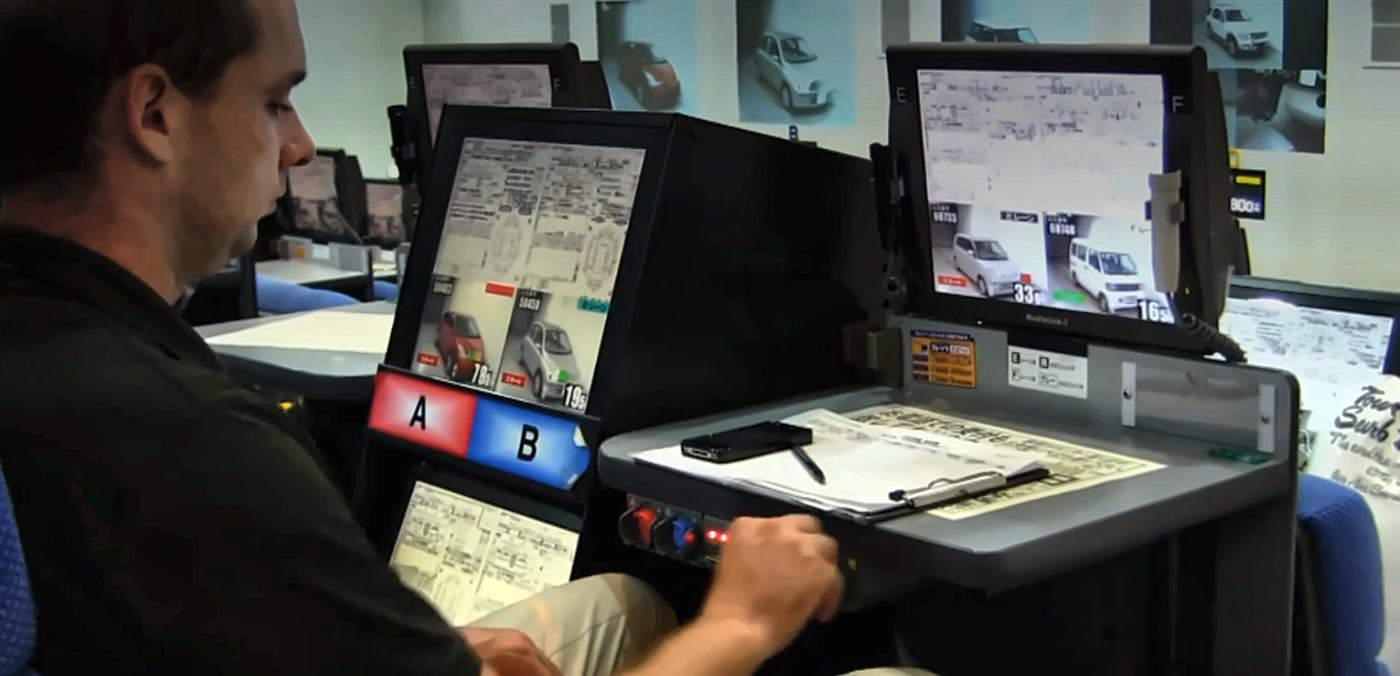
Because of all this, we go into every car with two separate prices in mind. Each price has a different job.
The first price is our guess at the seller's reserve. We estimate it from past results and from what we think the car is worth. Then we make an offer just below that number. The purpose of this offer is to tempt the seller, not to win the car. If the seller is live, the offer should be close enough to make them put the car on the market. If the seller is on paper, the offer should be close enough that they later lower their reserve towards our number and invite us to negotiate.
The second price is our real maximum. We only use this after the reserve is reached and the car is truly on the market. Now it is a real auction, other buyers are competing, and this is the highest price we will pay.
Keeping these two prices separate is the most important part of bidding. The first price starts a conversation with the seller. The second price wins the car against other buyers. If you mix them, and offer your maximum before the car is even on the market, you give the seller information for free.
Not every buying agent works with two prices, and the reason is simple. Some businesses are paid to buy a lot of cars. For them, the fastest way to finish is to put the client's maximum in as the first offer and let the seller take it. The car is bought, the job is done, and the client pays more than they needed to. Other businesses, like ours, are judged on the price of each car. So it is worth our time to study the car, discuss the price and the strategy with you, guess the reserve, and keep your real maximum hidden until the car is truly on the market. This is not about who is smarter. It is about what each business is paid to do.
A note on automatic bids. There are two ways to bid. You can bid live, pressing the button yourself as the price moves. Or you can place an automatic bid: you enter your maximum in advance, and the system bids for you, one step above the last buyer, up to your limit. It costs a small fee, but it has a real advantage. You only ever bid one step above someone else, so you never make a high offer when nobody else is bidding.
But there is a risk. Your automatic bid is your real maximum, written into the system. A seller can set a very high reserve and have someone working with them bid against you automatically. Your bid climbs, one step at a time, until it reaches your limit. The car goes unsold — but the seller now knows exactly what you would have paid. It is well known that this happens, and it is part of the reason the auction houses introduced Buy Now. It is also one more reason why unsold results say more about the buyers than about the reserve.
What This Means for You
If you see a car you want and it is marked unsold, do not give up on it, and do not assume you know what price it will take. Tell us quickly, because the negotiation time is short, and we will contact the seller for you. Sometimes the gap between the last offer and the reserve is smaller than anyone expected.
A Note on Other Auction Types
Not every car in Japan is sold by live bidding with a reserve. Some auction systems, mostly outside USS, use different methods, and "unsold" means something different in each one:
- Tender (sealed bid). Every buyer sends one price. The highest offer wins and pays exactly that price.
- Two-stage (hybrid). In stage one, buyers send a sealed bid. The highest bid goes to stage two, where a person from the auction house bids live for you. Be careful: your stage-one bid can be higher than the final selling price, and you can still lose the car, because the live stage works differently.
Frequently Asked Questions
Does unsold mean nobody wanted the car?
No. Every seller sets a reserve — the lowest price they will accept. An unsold result only means the offers stopped below a number that only the seller knew. It does not mean the last number on the screen was the most anyone would pay.
Can you still buy a car that went unsold?
Usually, yes. The auction house normally opens the car for negotiation with the seller, or the seller can set a fixed Buy Now price. Both options are only possible on auction day — when the auction house closes, they are gone.
Is the unsold price the seller's reserve?
No. The number next to an unsold car is not the reserve and not a guide to the reserve. It only shows where the offers stopped. Buyers keep their real maximum to themselves until the reserve is reached, so the number tells you very little.
How long do I have to buy an unsold car?
Only until the auction house closes on the day the car was auctioned. Negotiation usually lasts about one hour. After that, the negotiation start price and any Buy Now price are gone — the car either returns in a future auction or leaves the system.
Is the negotiation start price the seller's reserve?
No. The start price is only the lowest offer the auction house will let you make — the seller's reserve is still secret, and it is usually higher. The one exception is a second start price after a failed negotiation, which is the seller's own final number.
Questions about buying and exporting from Japan? Contact us.